Shakira, Burna Boy set 2026 FIFA World Cup ablaze amidst Mexico City fan zone chaos

Shakira, Burna Boy set 2026 FIFA World Cup ablaze amidst Mexico City fan zone chaos
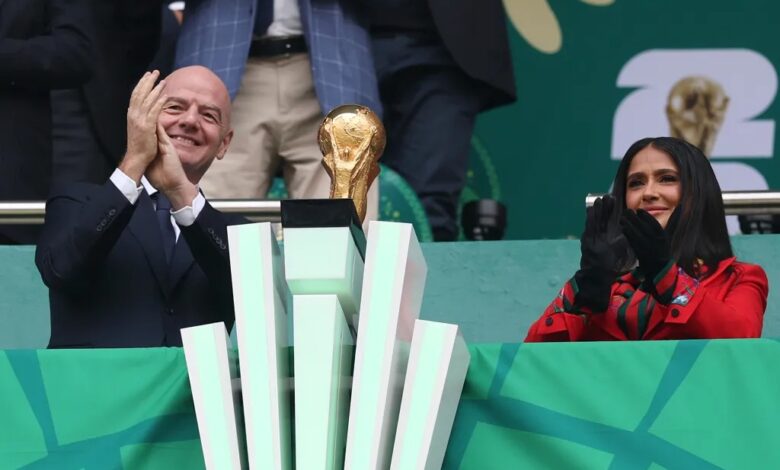
By Nawaz Gohar ; The historic Estadio Azteca shook to its very foundations on Thursday as global pop icon Shakira and Nigerian Afrobeat sensation Burna Boy delivered a breathtaking performance to kick off the 2026 FIFA World Cup.
The dazzling opening ceremony perfectly set the stage for the highly anticipated curtain-raiser between co-hosts Mexico and South Africa.
This year’s expanded 48-team spectacle—co-hosted alongside the United States and Canada—promises to be the largest in football history, spanning a grueling yet exhilarating 104-game schedule that will culminate at the grand final in New Jersey on July 19.
Inside the iconic 80,000-capacity arena—the legendary venue that hosted the 1970 and 1986 World Cup finals—the atmosphere was nothing short of electric. The newly renovated stadium came alive as legions of dancers swirled around a towering, giant replica of the World Cup trophy.
The visual spectacle was punctuated by a relentless barrage of fireworks that painted the Mexico City sky in vibrant hues.
The undeniable crescendo of the afternoon arrived when Colombian superstar Shakira teamed up with Burna Boy for a thunderous rendition of “Dai Dai”, the official tournament anthem.
The performance drew deafening roars from the packed stands, instantly turning the venue into a massive dance floor. Global hitmaker J Balvin and legendary Italian tenor Andrea Bocelli also graced the stage, masterfully ramping up the noise levels to a fever pitch just moments before kickoff.
“It’s already a party in Mexico!” exclaimed Ingrid Orozco, a 40-year-old supporter draped in national colors. Echoing her euphoria, 19-year-old Gustavo Ramírez simply added, “It’s completely amazing.”
However, the jubilant carnival atmosphere inside the Azteca stood in stark, sobering contrast to scenes unfolding in the heart of Mexico City. Just hours before the 1800 GMT kickoff, thousands of ticketless fans descended upon the official World Cup Fan Zone, triggering chaotic stampede-like conditions.
The flashpoint occurred at the historic Zócalo Plaza, where local authorities had recently erected heavy metal barricades. The barriers, originally intended to blockade striking teachers protesting for higher wages, severely choked the entry points for football fans. As the crowd swelled, desperate supporters began pushing and shoving to gain entry.
“Stop pushing and shoving, there are children here! You’re acting like animals!” a frantic city official bellowed through a megaphone, attempting to restore order as crowds tried to glimpse the giant screens broadcasting the opening match.
The situation grew increasingly volatile as frustrated fans chanted pro-Mexican football slogans, hurled insults, and threw water bottles at lines of riot police. “It’s absolute madness,” remarked Javier Maciel, a 25-year-old fan trapped in the crush. “The organization could have been vastly better.”
With tensions flaring, the local government abruptly announced on social media that the Zócalo venue had reached maximum capacity, advising incoming crowds to redirect to alternative public plazas across the capital.
The escalating friction also carried political undertones. Mexican President Claudia Sheinbaum, who was heavily expected to join the public festivities at the Fan Zone to watch the opening game, cast significant doubt over her appearance following days of intense teacher protests that have overshadowed the buildup to this historic sporting moment.
As the beautiful game officially gets underway on the pitch, Mexico finds itself balancing the immense pride of hosting the world’s biggest party with the complex reality of managing it.