Compliance with Anti-Doping Rules… Pakistan’s Global Reputation Restored
By: Sports Friend, Shahid Ulhaq

Compliance with Anti-Doping Rules… Pakistan’s Global Reputation Restored
By: Sports Friend, Shahid Ulhaq
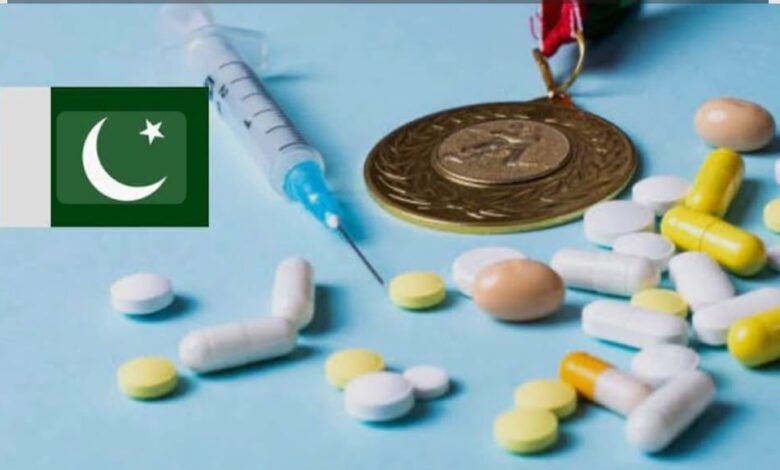
At last, the moment of deep concern for Pakistan’s sporting world has passed. The news that Pakistan has been removed from the Watch List of the World Anti-Doping Agency (WADA) is not only a sigh of relief but also a new dawn for the future of our sports. This is the same list in which countries are placed when they fail to comply with WADA’s rules and regulations.
It must be remembered that in September 2024, WADA placed Pakistan’s Anti-Doping Organization (ADOP) on the Watch List due to government interference and failure to meet international compliance standards. WADA had issued a stern warning that if reforms were not implemented by February 2025, Pakistani athletes would not be allowed to compete in international competitions under their national flag.
This was nothing short of a nightmare scenario for Pakistan. Ironically, ADOP Pakistan had performed exceptionally well during 2024, conducting multiple dope tests and upholding transparency and sporting ethics, but unfortunately, the interference of a few self-styled “Platonic advisors” weakened the institution.
Credit Where It’s Due ;
The credit must go to the leadership of the Pakistan Sports Board and the Ministry of Inter-Provincial Coordination (IPC) who understood the gravity of the matter and took timely, strategic decisions. Their actions are proof that when the intent is sincere and the vision is clear, even the toughest of challenges can be overcome.
Director General of Pakistan Sports Board Yasir Pirzada and the Secretary Sports played an extraordinary role. To ensure full compliance with WADA, earlier committees were dissolved, and assurances were given that the anti-doping body would now function as a completely independent and autonomous institution.
In this context, ADOP has now been officially transformed into the Pakistan Anti-Doping Board (PADB) — a new independent identity, free from government, Olympic Association, or federation interference. This structural shift is aimed at strengthening transparency and credibility in line with international best practices.
Role of Dr. Quratul Aein ;
A very special mention must be made of Dr. Quratul Aein, who played a pivotal role by coordinating with WADA and scripting the necessary constitutional amendments. Her tireless efforts and professional contributions have been central to this milestone achievement and the rebirth of PADB as a credible institution.
The Next Step — Restoration of RADOCA Membership ;
While removal from the Watch List is a significant achievement, the journey is far from over. The next vital step for Pakistan is the restoration of its membership in the Regional Anti-Doping Organization for Central Asia (RADOCA), which was suspended earlier this year. Regaining this membership will allow Pakistan to fully integrate into regional and global anti-doping structures, further strengthening PADB’s institutional framework.
A Decisive Moment ;
Reliable sources confirm that three names (Q, Kh, S) have been shortlisted for the position of PADB’s Chief Executive. The final decision now rests with the Prime Minister. If merit truly prevails, this will mark one of the most transparent steps in Pakistan’s sporting history. But if traditional favoritism or lobbying wins, this opportunity will be lost, and there is a real danger that Pakistan could once again find itself back on the Watch List.
The Way Forward ;
This is a decisive moment for Pakistan’s sporting future. Upholding merit, transparency, and strict compliance with WADA rules will not only rebuild athletes’ confidence but also elevate Pakistan’s global reputation. It is now our collective responsibility to ensure this culture of fairness and integrity continues, while also strictly discouraging and eliminating the use of prohibited substances. Only then can Pakistani athletes truly compete with their heads held high on the world stage.