Merit over reputation: Why Pakistan cricket must reset after World Cup exit
Exclusive Opinion Article by Nawaz Gohar

Merit over reputation: Why Pakistan cricket must reset after World Cup exit
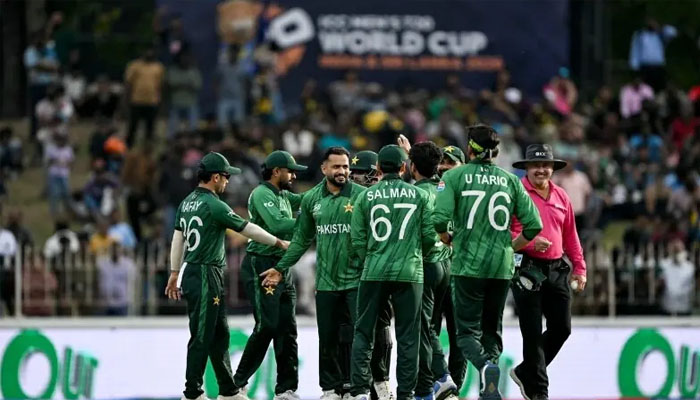
By Nawaz Gohar ; Pakistan’s defeat to England at the ICC Men’s T20 World Cup 2026 in Kandy was not merely another loss in a high-pressure tournament. It was the continuation of a worrying pattern, a pattern shaped not by lack of talent, but by flawed decisions, misplaced trust, and an absence of bold leadership.
Let us be honest: Pakistan’s problems did not begin in Kandy, nor did they end with Harry Brook’s match-winning century. The deeper issue lies within a selection system that has repeatedly preferred reputation over performance. For years, the same names have dominated the team sheet regardless of form. The consequences are now painfully visible.
There was a time when Shaheen Afridi, Shadab Khan, and Babar Azam were automatic selections based on match-winning impact. Today, however, sentiment seems to outweigh merit. Modern T20 cricket demands relentless consistency, adaptability, and fearlessness. When senior players repeatedly fail to deliver yet continue to occupy key roles, the message to emerging talent is discouraging.
Pakistan is not short of ability. Across domestic cricket and franchise leagues, a new generation of fearless batters, dynamic all-rounders, and disciplined bowlers is knocking at the door. Yet opportunities remain scarce. Fresh talent cannot flourish if selection doors are half-closed. Nations that dominate world cricket, England among them, constantly refresh their squads. They reward current form, not past glory.
Another pressing concern is leadership. T20 cricket is a captain’s game, a format that demands sharp tactical awareness and instinctive decision-making. Pakistan needs more than a good player wearing the armband; it needs a true leader. A captain who understands batting orders deeply. A captain who knows when to promote an aggressor, when to protect a young batter, when to attack with spin, and when to trust pace.
Too often, Pakistan’s batting order appears uncertain and reactive. Players are shuffled without clarity. Roles are undefined. In contrast, successful teams operate with purpose, every player aware of his responsibility.
The solution is not cosmetic change; it is structural reform. Pakistan must groom a long-term captain with vision and temperament. Leadership development cannot be accidental. It must be planned, supported, and strategically nurtured for major tournaments.
Equally vital is building genuine competition within the squad. No player should feel guaranteed of a place. Performance must be the only currency. When players know that consecutive poor performances will automatically open the door for someone hungrier and more consistent, standards rise naturally.
Backup strength is another missing pillar. Great teams have replacements ready at all times. Pakistan, by contrast, appears overly dependent on a few individuals. When those individuals falter, the entire structure shakes.
The defeat against England exposed these vulnerabilities once again. A competitive total was posted, yet the inability to apply sustained pressure, the absence of clinical finishing, and tactical hesitations cost dearly. These are not technical flaws; they are systemic shortcomings.
Pakistan cricket stands at a crossroads. Persist with comfort-zone selections and recycled strategies, or embrace meritocracy, bold captaincy, and fearless youth.
History shows that Pakistan thrives when it backs raw talent with conviction. The sooner fresh players are trusted and empowered, the sooner results will change. Talent is waiting. Opportunity is overdue. And reform is no longer optional, it is essential.