Beyond the 90-metre illusion: Pride, systemic failure, and the decline of Arshad Nadeem

Beyond the 90-metre illusion: Pride, systemic failure, and the decline of Arshad Nadeem
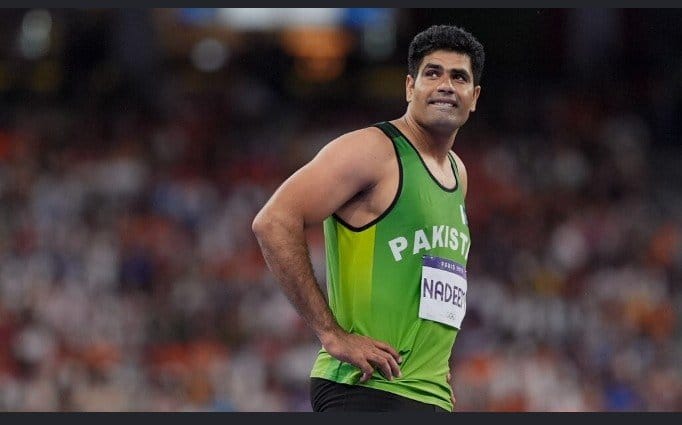
By Nawaz Gohar ; When Arshad Nadeem launched his javelin into the Birmingham sky in 2022, breaching the sacred 90-metre mark, he offered a sports-starved nation a rare moment of unadulterated triumph.
Yet, victory in high-performance sports is a perishable commodity. As the 2026 Commonwealth Games unfolded in Glasgow, the world watched an Olympic champion scrape into the javelin final in seventh place with a uninspiring best throw of 78.63 metres.
While heavy headwinds and Scottish chill provided a convenient narrative for his mediocre qualification output, the harsh truth lies far deeper than adverse weather. Arshad Nadeem’s alarming decline is a potent concoction of institutional apathy, personal complacency, and substandard technical guidance.
First, we must lay the blame where it historically belongs: at the doorsteps of our sports administrators. Pakistan treats its elite athletes like domestic novelties rather than world-class assets. Following his historic Olympic gold, promises of world-class facilities, dedicated training centers, and year-round medical support evaporated into standard bureaucratic noise.
Instead of preparing for Glasgow through high-altitude camps and scientific biomechanical training in Europe, Arshad was subjected to primitive setups at home. In modern track and field—where marginal gains in aerodynamics, runway speed, and angle of release define podium finishes—expecting an athlete to maintain elite numbers without state-of-the-art facilities is delusional.
However, state failure accounts for only half the story. An athlete of Arshad’s stature must also face the mirror. Following his historic heights, a subtle yet destructive element of pride and complacency has crept into his posture.
Surrounded by political photo-ops, corporate endorsements, and a culture of relentless flattery, the hunger that once defined the boy from Mian Channu appears blunted. Passing off a sub-80-metre throw as a mere adjustment to “cold weather” reflects a dangerous normalization of reduced standards. True legends never settle for survival mode; they dictate the arena regardless of the wind.
Perhaps the most glaring structural flaw in Arshad’s trajectory is the continuation of irrelevant technical guidance under his current setup, including coach Salman Butt. While localized coaching was instrumental in Arshad’s early development, elite javelin throwers operating at the highest global strata require elite, world-class coaching.
To expect a localized coaching framework to continuously outsmart the scientific backings enjoyed by competitors like Neeraj Chopra or Anderson Peters is absurd. Salman Butt and the domestic management lack the advanced biomechanical expertise, elite competition management, and analytical tools required to prolong an Olympic champion’s peak.
Arshad’s qualification for Friday’s final in Glasgow ensures he still has a shot at the podium, but the warning signs are blaring. If Pakistan wishes to salvage its greatest track-and-field talent from becoming a one-era wonder, immediate course correction is mandatory.
We must strip away the ad-hoc flattery, hire an international, world-standard coach, send Arshad to train abroad permanently, and rekindle the fierce discipline that brought him glory in the first place. Anything less is a disservice to his immense talent and to a nation yearning for sports redemption.