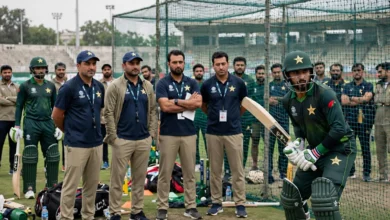
Shan Masood laments “unforgiving” Test margins; leaves captaincy future to PCB

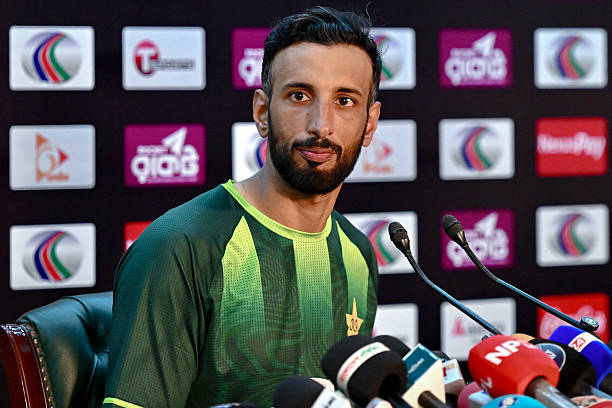
Shan Masood laments “unforgiving” Test margins; leaves captaincy future to PCB
By Nawaz Gohar ; Standing amidst the ruins of a historic 2-0 series whitewash at the hands of Bangladesh, Pakistan’s Test captain Shan Masood did not search for excuses. Instead, he delivered a sobering assessment of a side that has developed a chronic habit of self-sabotage, while concurrently addressing the intensifying scrutiny surrounding his own leadership future.
Pakistan’s valiant fourth-inning pursuit of a monumental 437 runs ultimately expired at 358 in Sylhet, sealed by a relentless six-wicket masterclass from Bangladeshi spinner Taijul Islam. Despite a heroic, fighting 94 from wicketkeeper-batter Mohammad Rizwan and a gritty 28 from Sajid Khan, Pakistan fell 78 runs short. For Masood, the scorecard told only half the story. The real tragedy lay in the first three innings—a phase defined by squandered dominance.
Reflecting on the autopsy of the match, Masood pointed directly to the moments where Pakistan let the steering wheel slip from their grasp. “A lot of mistakes,” a candid Masood admitted during the post-match briefing.
“When you score 360 runs in the fourth innings of a game, you kind of expect to be on the right side of it. But we have quite a lot to reflect on across the first three innings. That is why the effort on the fourth and fifth days didn’t materialize into a win.”
Masood highlighted two fatal lapses in killer instinct. First, allowing Bangladesh to escape from a precarious 116-6 in their first innings to post 278—courtesy of a tail-end resurgence. Second, the failure of Pakistan’s own specialized top order to convert promising starts into match-defining centuries after navigating the initial threat to reach 142-4.
“Test cricket is unforgiving; you are going to be punished for any mistake you make,” Masood remarked, highlighting the elite nature of the red-ball format. “We have repeatedly put ourselves in winning positions—I can only count a couple of Tests where we were completely outplayed—but we simply haven’t finished well.”
With a record now standing at 12 losses in 16 outings, the conversation inevitably shifted to his future in the captain’s chair. When pressed on whether he would consider stepping down, Masood remained characteristically composed, deferring the ultimate verdict to the game’s custodians while reaffirming his philosophical commitment to Pakistan cricket.
“I took up the Test captaincy role to improve the red-ball cricket of Pakistan,” Masood said evenly. “Certain matters need to be discussed and debated with the board, and the final decision always rests with the Pakistan Cricket Board (PCB). My intention and purpose have always been to find ways to improve this team.”
In a poignant moment of reflection, the skipper emphasized that his dedication to the crest on his jersey transcends any official title. “My effort will remain the same in any capacity. It is not necessary that I only speak while sitting in the captain’s chair or as a simple player. We do not know where life takes us. Whatever the situation, I have worn this shirt with great pride and have set everything aside to work for this cause.”
Rather than advocating for emotional, knee-jerk overhauls, Masood called for a collective injection of department-wide discipline. For a team trying to find its identity in modern red-ball cricket, the Sylhet debacle serves as a harsh reminder that at the highest level, potential means nothing without the discipline to close the gate.